
Body Dysmorphia Test: How Do You Relate to Your Appearance?
This original, non-validated, non-diagnostic educational reflection invites you to notice how often you use supportive practices when appearance concerns arise. It does not diagnose or estimate any condition.
For your usual experience over the past month, choose how often each supportive practice has been true for you. This original, non-validated, non-diagnostic reflection is for personal reflection only; it is not a clinical assessment and cannot diagnose or estimate any condition.
I notice an appearance-related thought without treating it as a fact.
I speak to myself with the same patience I would offer someone I care about when appearance worries arise.
I let an uncomfortable feeling about how I look be present without making it the focus of my whole day.
I return my attention to a meaningful task when thoughts about appearance interrupt me.
I make room for activities that reflect my values even when I feel self-conscious.
I focus on what my body allows me to experience rather than judging how it looks.
I allow myself to be present with other people without needing to feel completely comfortable about my appearance.
I remind myself that a thought about appearance is not a command I have to follow.
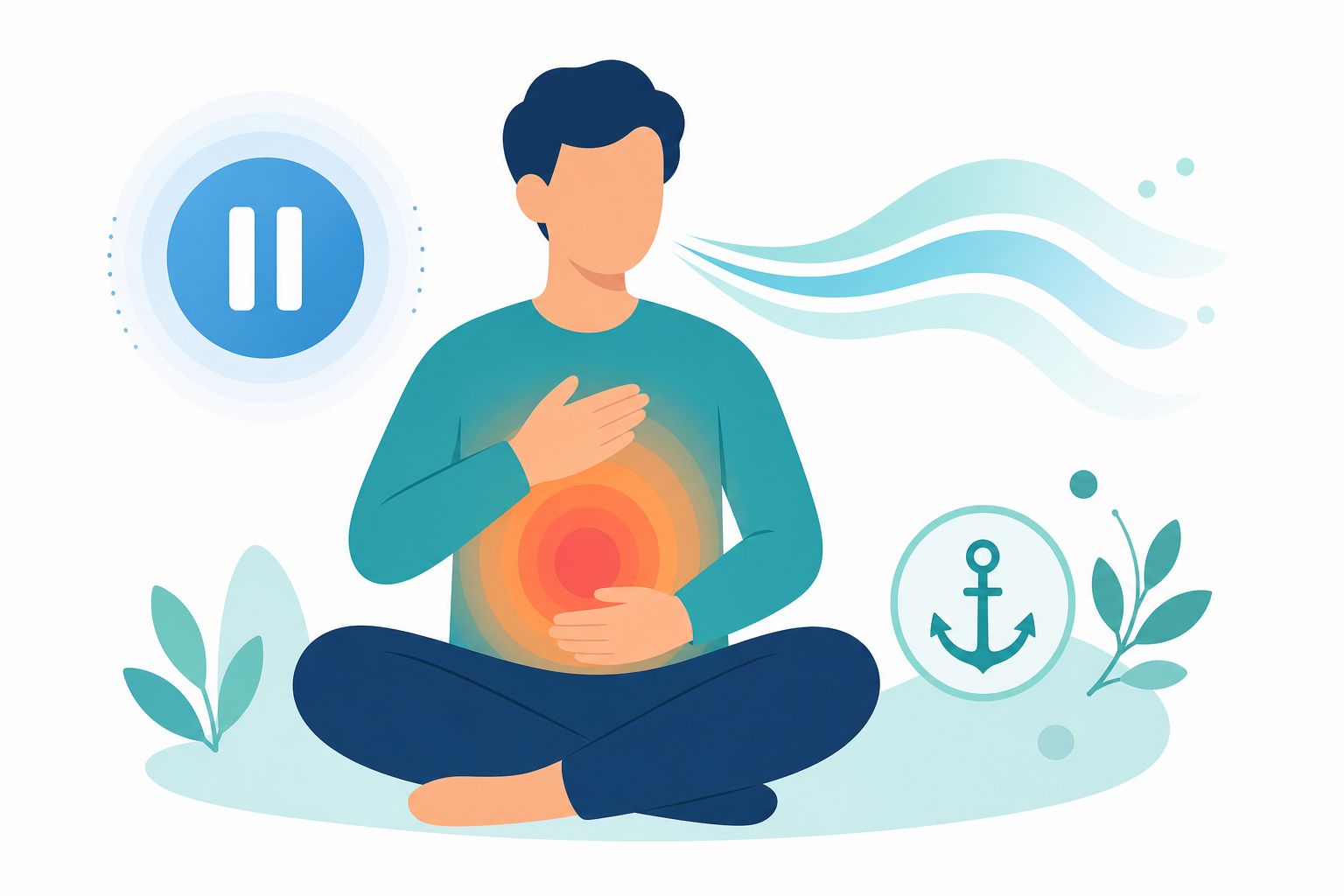
I use a grounding exercise when appearance-related distress feels intense.
I respond to appearance worries with curiosity rather than criticism.
I choose rest, connection, or another supportive action when appearance concerns drain my energy.
I notice progress in how I care for my wellbeing rather than measuring myself by appearance.
Good To Know

Ground in the Present
When appearance concerns feel intense, notice a few sounds, textures, or points of contact around you. Let the aim be returning to the present, not changing how you look.

Make Space for the Thought
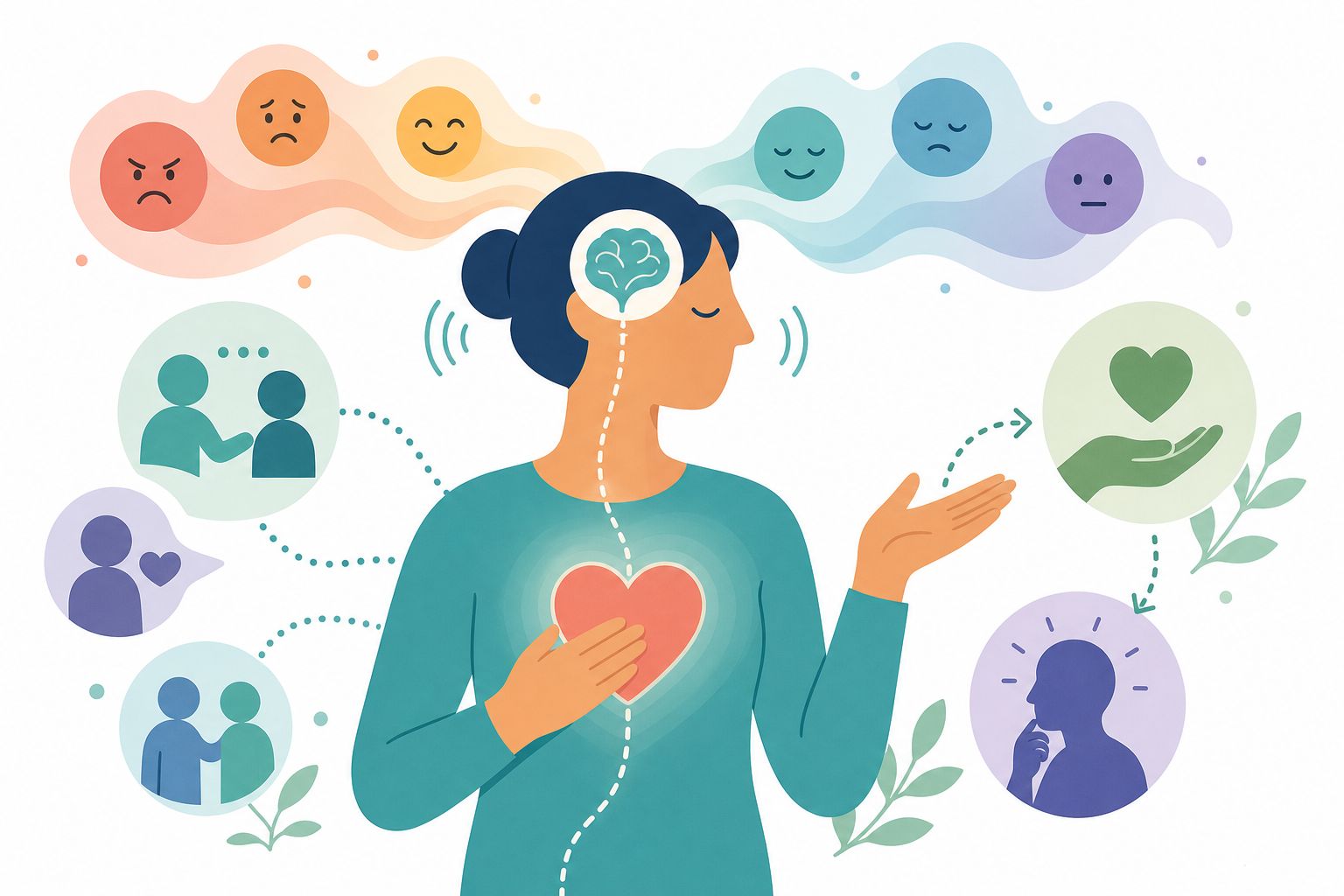
Try naming an appearance-related thought as a thought, then return to one small activity that matters to you. You do not need to settle the thought before continuing your day.

Choose a Supportive Next Step
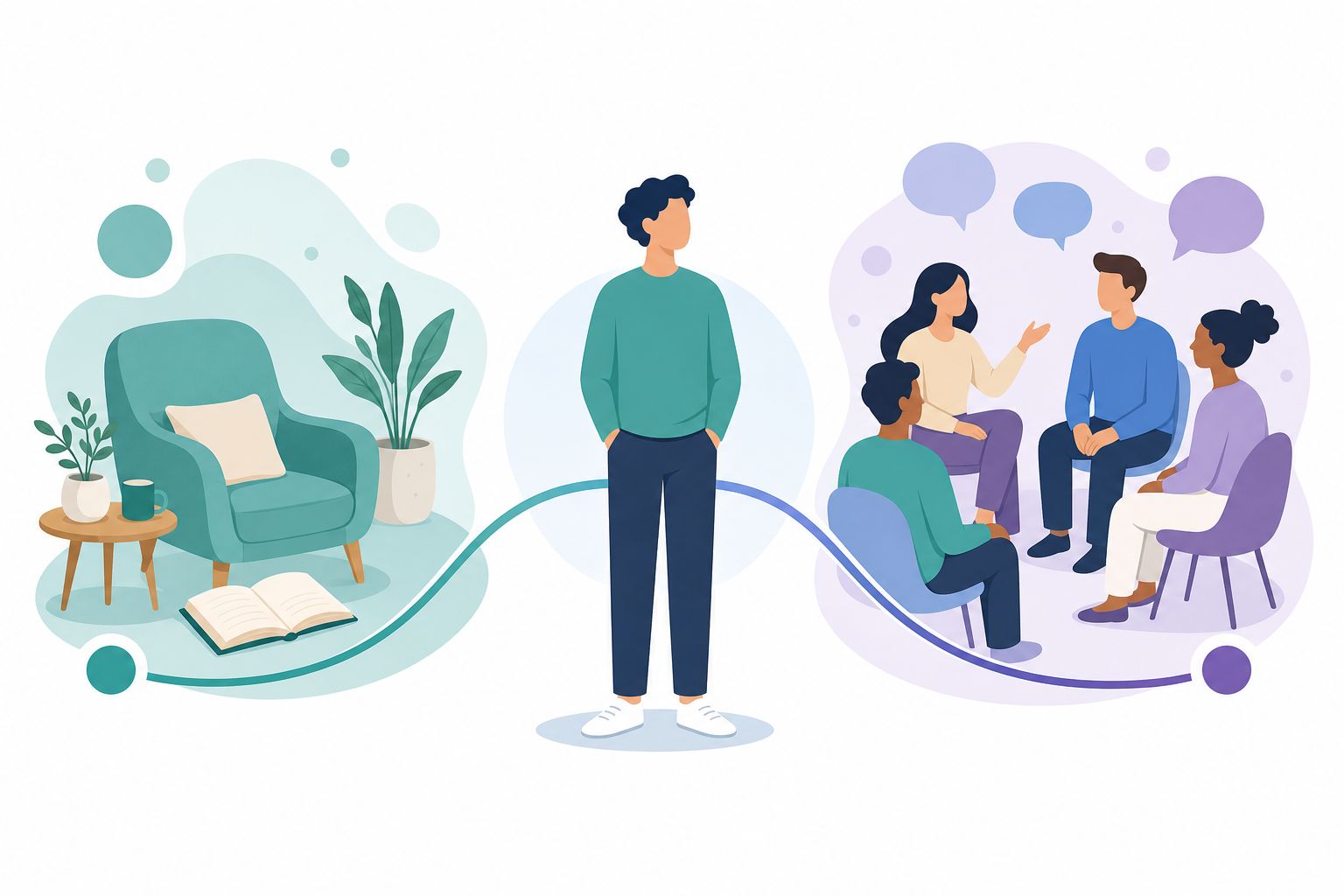
Consider one caring action such as rest, connection, or speaking with a qualified mental-health professional when appearance concerns are persistent, distressing, or disruptive.
More Tests
Sources & References
This original, non-validated, non-diagnostic reflection is for education and self-reflection only. It does not diagnose or estimate any condition, and its descriptive bands are not normative or clinical thresholds. For persistent, distressing, or life-interfering appearance concerns, consider speaking with a qualified mental-health professional. If you are at immediate risk of harm, contact local emergency services or a local crisis service now.