
Workaholism Test: Your Work and Rest Patterns
The word workaholism in this title is a search label only. This original, non-validated, non-diagnostic, non-classification educational reflection is for adults who want to notice the frequency of listed work-boundary and recovery practices. It is not a validated assessment and does not assess, classify, or diagnose workaholism, work addiction, any trait, deficit, or condition.
Thinking about your usual experience over the past month, choose how often each practice has been true for you. This original, non-validated, non-diagnostic, non-classification reflection is for personal education only; it is not a validated assessment and does not assess, classify, or diagnose workaholism, work addiction, any trait, deficit, or condition.
I set a clear point when I will stop work for the day.
I leave work tasks for my next work period when my planned stopping time arrives.
I protect time away from work for sleep, meals, movement, or connection.
I give myself a transition between work and the rest of my day.
I notice physical or emotional signs that I need a pause while working.
I take a brief pause before deciding whether an urgent request truly needs my attention now.
I make space to recover after an especially demanding work period.
I let an unfinished task wait when continuing would reduce my ability to rest.
I check whether my current workload fits the time and energy I have available.
I communicate a realistic response time when a work request arrives outside my plans.
I return to a non-work activity that matters to me after work captures my attention.
I review my work-and-rest pattern with curiosity rather than judging myself.
Good To Know

Choose a Realistic Stopping Point
Pick a workday stopping point you can usually keep, and write unfinished work down as a task for a future work period rather than carrying it into rest time.

Create a Short Transition After Work
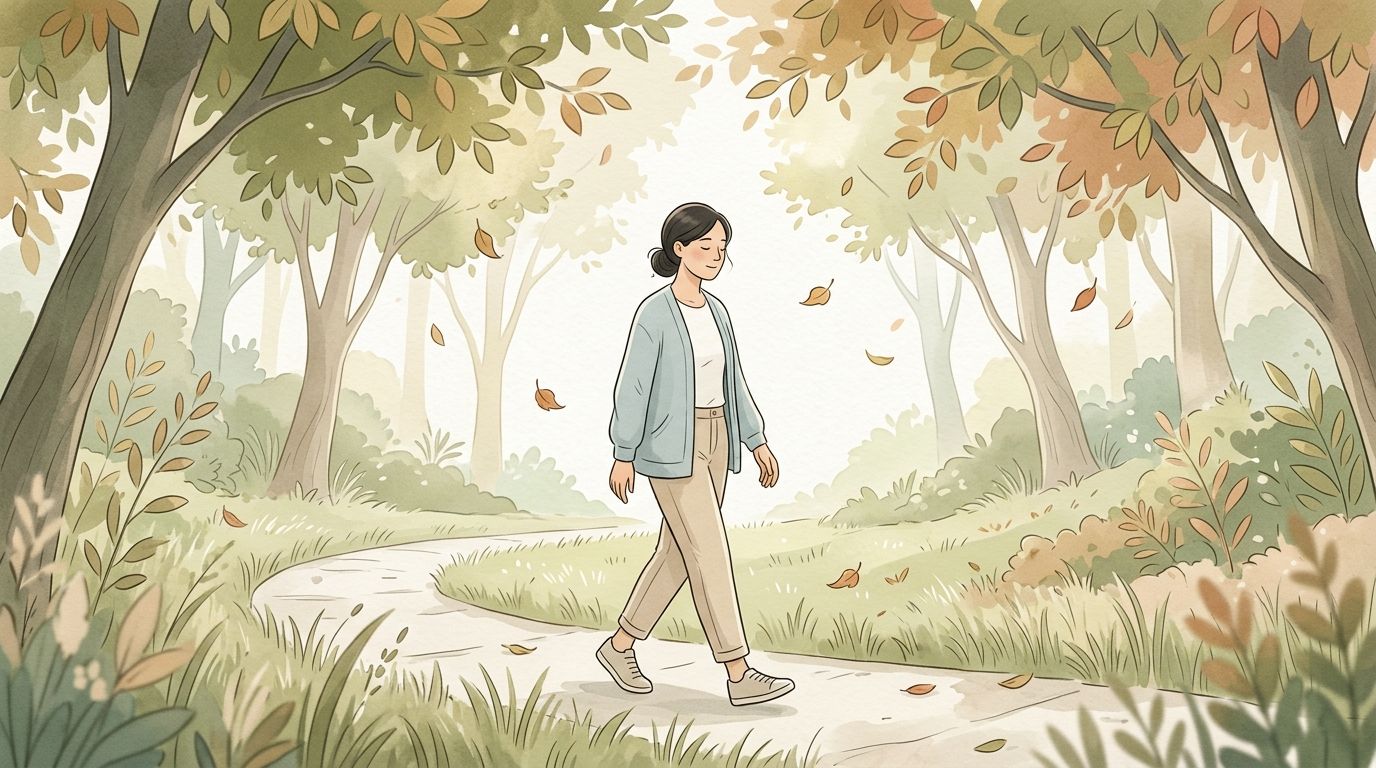
Use a brief routine—such as a walk, meal, shower, or a few quiet minutes—to mark the shift away from work and support recovery.
More Tests


This original, non-validated, non-diagnostic, non-classification educational reflection is for adult education and self-reflection only. The word workaholism in the title is a search label only. It is not a validated assessment and does not assess, classify, or diagnose workaholism, work addiction, any trait, deficit, or condition. Its neutral descriptive bands summarize the frequency of the listed practices only; they are not clinical cutoffs, severity levels, normative standards, or classifications. If work demands or difficulty resting are causing persistent distress or disrupting daily life, consider speaking with a qualified mental-health professional. If you are at immediate risk of harm, contact local emergency services or a local crisis service now.