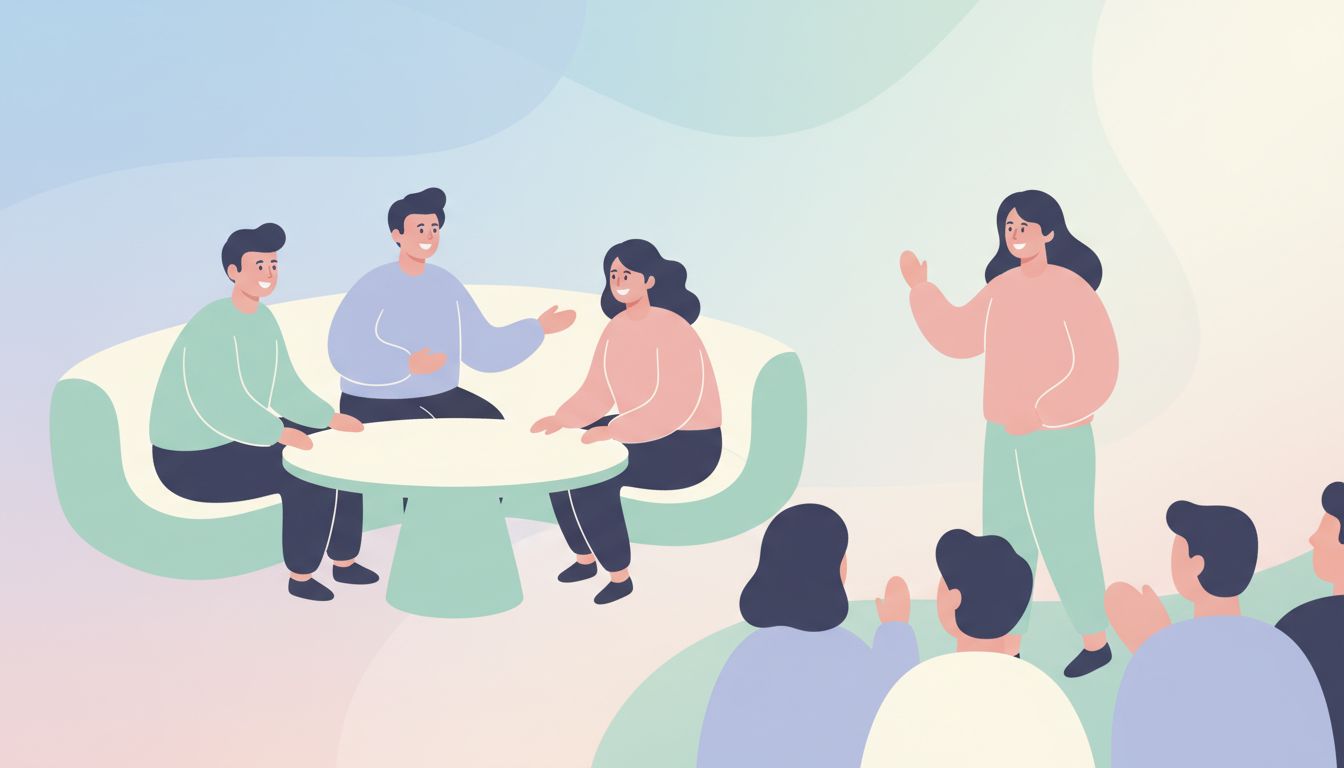
Liebowitz Social Anxiety Scale (LSAS)
A comprehensive 24-item assessment tool designed to measure how social anxiety affects your life. It evaluates both the fear you feel and how much you avoid specific social and performance situations.
Who Is This Test For?
The LSAS is designed for adults who want to understand the impact of social anxiety on their lives. It is particularly useful for those who feel that 'shyness' or 'nerves' are holding them back from social or professional opportunities.
- Individuals who feel significant distress in social or performance situations
- People who find themselves avoiding parties, meetings, or public activities
- Those curious if their social discomfort meets clinical thresholds
- Anyone looking to track their progress during social anxiety treatment
For each of the following situations, please rate how much fear or anxiety you feel, and how often you avoid the situation.
How much fear/anxiety do you feel when telephoning in public?
How much do you avoid telephoning in public?
How much fear/anxiety do you feel when participating in small groups?
How much do you avoid participating in small groups?
How much fear/anxiety do you feel when eating in public places?
How much do you avoid eating in public places?
How much fear/anxiety do you feel when drinking with others in public places?
How much do you avoid drinking with others in public places?
How much fear/anxiety do you feel when talking to people in authority?
How much do you avoid talking to people in authority?
How much fear/anxiety do you feel when acting, performing or giving a talk in front of an audience?
How much do you avoid acting, performing or giving a talk in front of an audience?
How much fear/anxiety do you feel when going to a party?
How much do you avoid going to a party?
How much fear/anxiety do you feel when working while being observed?
How much do you avoid working while being observed?
How much fear/anxiety do you feel when writing while being observed?
How much do you avoid writing while being observed?
How much fear/anxiety do you feel when calling someone you don't know very well?
How much do you avoid calling someone you don't know very well?
How much fear/anxiety do you feel when talking with people you don't know very well?
How much do you avoid talking with people you don't know very well?
How much fear/anxiety do you feel when meeting strangers?
How much do you avoid meeting strangers?
How much fear/anxiety do you feel when urinating in a public bathroom?
How much do you avoid urinating in a public bathroom?
How much fear/anxiety do you feel when entering a room when others are already seated?
How much do you avoid entering a room when others are already seated?
How much fear/anxiety do you feel when being the center of attention?
How much do you avoid being the center of attention?
How much fear/anxiety do you feel when speaking up at a meeting?
How much do you avoid speaking up at a meeting?
How much fear/anxiety do you feel when taking a test?
How much do you avoid taking a test?
How much fear/anxiety do you feel when expressing a disagreement or disapproval to people you don't know very well?
How much do you avoid expressing a disagreement or disapproval to people you don't know very well?
How much fear/anxiety do you feel when looking at people you don't know very well in the eyes?
How much do you avoid looking at people you don't know very well in the eyes?
How much fear/anxiety do you feel when giving a report to a group?
How much do you avoid giving a report to a group?
How much fear/anxiety do you feel when trying to pick up someone (soliciting a date)?
How much do you avoid trying to pick up someone (soliciting a date)?
How much fear/anxiety do you feel when returning goods to a store?
How much do you avoid returning goods to a store?
How much fear/anxiety do you feel when giving a party?
How much do you avoid giving a party?
How much fear/anxiety do you feel when resisting a high pressure salesperson?
How much do you avoid resisting a high pressure salesperson?
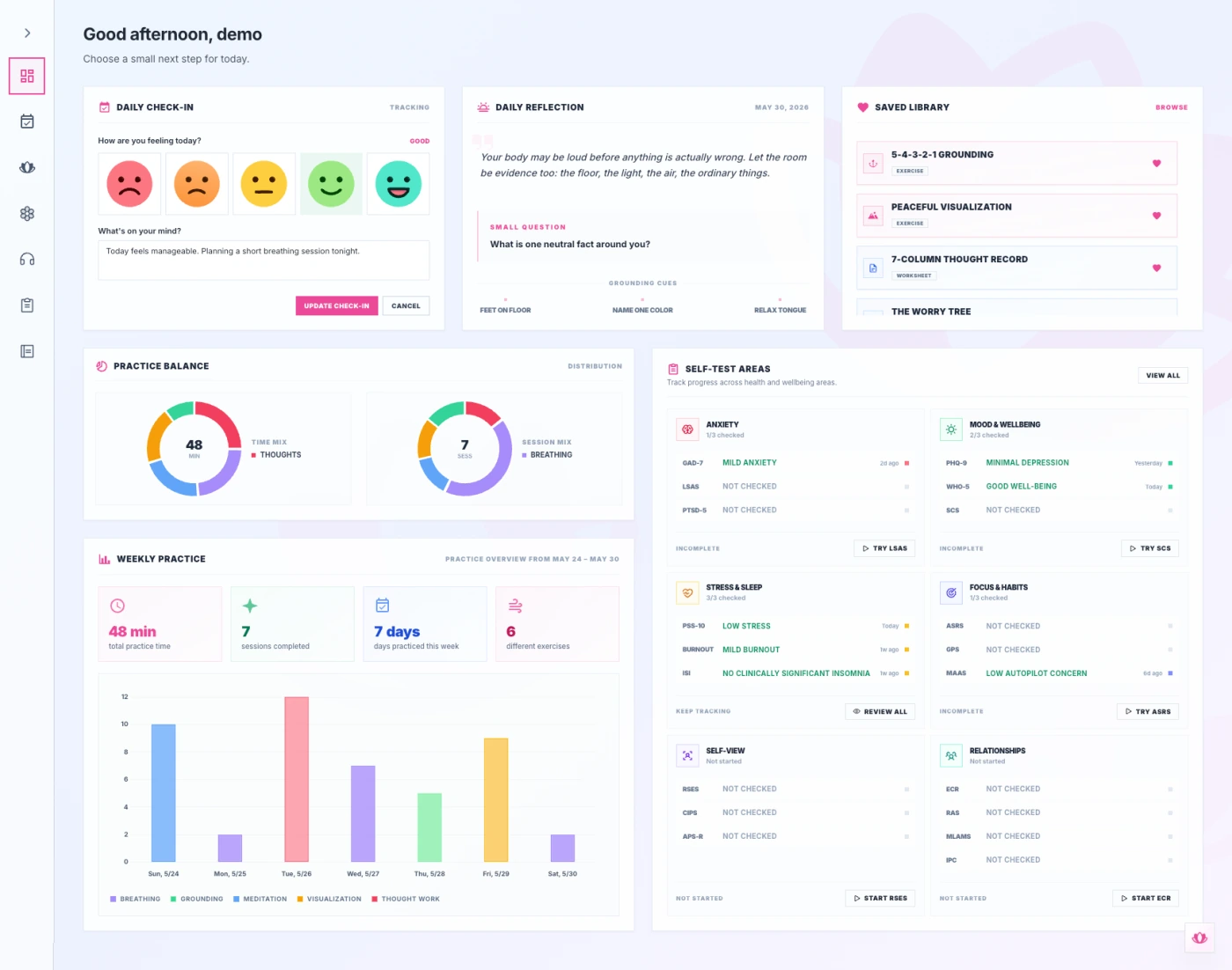
Turn self-test results into a clearer next step.
Save your results, watch changes over time, and find relevant tools when you need a next step.
- Save your history
- Track changes over time
- Find relevant tools
Save this result so your next score has context.
Good To Know

Practice 'Social Fitness'
Social confidence is like a muscle-it grows with consistent, low-stakes use. Try setting small 'micro-goals,' like saying hello to one person or asking a single question in a group. These small wins build the momentum needed for larger challenges.

Challenge Your 'Inner Critic'
Social anxiety often comes from an 'attentional bias' where we focus entirely on our own perceived flaws. Try outward-focused attention: notice the colors in the room, the sound of the other person's voice, or the details of the environment to shift focus away from self-scrutiny.

Embrace the 'Spotlight Effect'
We often feel like a giant spotlight is on us, magnifying every mistake. In reality, most people are far more focused on themselves than on watching you. Recognizing that others aren't scrutinizing you as much as you think can be a huge relief.
Understanding the LSAS
T he Liebowitz Social Anxiety Scale (LSAS) was developed by Dr. Michael Liebowitz in 1987 as a way to quantify the range of social phobia in both clinical and research settings. It is unique because it assesses two distinct dimensions of social anxiety: how much fear you experience and how much you avoid specific situations.
The test covers 24 diverse situations-11 related to social interaction (like a party) and 13 related to performance (like giving a speech). By measuring both fear and avoidance, the LSAS provides a more complete picture of how social anxiety affects your daily behavior and internal experience.
Scoring for the LSAS ranges from 0 to 144. Higher scores indicate greater severity. Generally, a score above 30 is considered a 'cutoff' where social anxiety begins to interfere with life, while scores above 60 often suggest a more generalized form of social anxiety disorder.
While the LSAS is a highly reliable and validated screening tool used worldwide, it is not a diagnostic instrument. A formal diagnosis of Social Anxiety Disorder should only be made by a qualified mental health professional through a comprehensive clinical interview.
Frequently Asked Questions
What is the difference between fear and avoidance?
Fear is the internal emotion or physical sensation of anxiety you feel in a situation. Avoidance is the behavioral choice to stay away from or leave a situation to escape that feeling. You can have high fear but low avoidance (forcing yourself through it), or high avoidance with relatively low felt fear because you successfully stay away from triggers.
Is social anxiety just 'extreme shyness'?
While they share traits, social anxiety is more intense and persistent. Shyness is often a personality trait, whereas social anxiety is a condition where the fear of being judged, embarrassed, or scrutinized significantly impairs one's ability to function or causes great distress.
Can my score improve?
Yes, absolutely. Social anxiety is one of the most treatable mental health conditions. Techniques like Cognitive Behavioral Therapy (CBT), exposure therapy, mindfulness, and sometimes medication can lead to significant reductions in both fear and avoidance scores over time.
Why does the test ask about public bathrooms or writing?
Social anxiety isn't always about talking; it's often about the fear of being observed or scrutinized. Activities like writing, eating, or using a public restroom can trigger intense anxiety if you feel that others might be watching and judging your performance or behavior.
What should I do with my results?
If your score indicates moderate to severe social anxiety, consider sharing these results with a therapist or doctor. It can serve as a helpful starting point for a conversation about your experiences and available support options.
More Tests

Sources & References
This self-assessment is a screening tool, not a diagnostic instrument. It cannot replace a professional evaluation by a qualified mental health provider. If you're experiencing significant distress or your symptoms are affecting your daily life, please seek help from a healthcare professional.