
Emotion Regulation Test: How Do You Handle Big Feelings?
Use this original educational reflection to consider how you notice, make space for, and respond to strong emotions in everyday situations. It is not a validated clinical assessment or diagnostic tool.
Who Is This Test For?
This educational reflection is for adults who want a brief, non-clinical way to notice how they handle strong feelings in everyday situations. It can support personal reflection or a conversation with a qualified professional.
- People who want to notice their first signs of emotional intensity
- Anyone reflecting on pausing, naming feelings, or choosing a response
- People exploring which regulation practices fit different situations
- Anyone tracking patterns while building practical emotional skills
Think about your usual pattern over the past few weeks, across more than one kind of situation. Rate how often each statement fits you; choose the response that best describes your experience, not an ideal version of yourself.
I notice when an emotion is beginning to change my attention.
I give myself a short pause before acting on a strong feeling.
I can put words to what I am feeling without needing to explain it perfectly.
I notice physical signs that tell me an emotion is building.
I consider what matters in the situation before choosing how to respond.
When a first response does not help, I can try a different way of handling the feeling.
I can tell someone what I need when an emotion makes a situation harder.
I can let a feeling be present while still taking one useful next step.
I adjust how I handle an emotion to fit the situation and the people involved.
I make room for recovery after an emotionally demanding moment.
When a feeling is very strong, I can delay a major decision until I have more steadiness.
I look back on difficult emotional moments with curiosity about what helped and what did not.
Good To Know
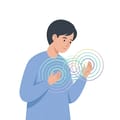
Notice the First Signal
After a strong feeling has passed, write down its earliest body, attention, or thought signal. Treat that signal as a cue to pause and choose, not as evidence that you did something wrong.

Match the Tool to the Moment
Ask what the situation requires: settling your body, understanding the feeling, communicating a need, solving a problem, or taking a break. Test one small response and observe whether it fits.
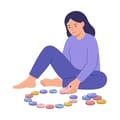
Review Without Blame
When an emotional moment is over, note what happened, what you tried, what changed, and what you might try next time. Keep the review specific so it guides learning instead of becoming self-criticism.
Understanding This Emotion Regulation Reflection
T his original self-reflection looks at everyday practices such as noticing emotional changes, creating a pause, naming feelings, considering context, communicating needs, and recovering after a demanding moment. It is an educational reflection tool, not a validated clinical assessment or diagnostic tool.
Each of the 12 statements is rated from 1 (Never) to 5 (Almost always). The score is the arithmetic mean of the responses, so the possible score runs from 1.00 to 5.00. Higher scores mean the described practices were reported more often in the situations you considered; they do not mean that one emotional style is best in every context.
The less-often, sometimes, and more-often bands divide the tool's own 1–5 response continuum into three equal-width descriptive sections: 1.00–2.33, above 2.33 to 3.67, and above 3.67 to 5.00. These are reflection summaries created for this page, not thresholds, rankings, or claims about clinical status.
Emotion regulation can involve different responses in different settings. Research and theory discuss timing, goals, context, flexibility, and putting feelings into words, but no single approach suits every person or moment. Use this result as a prompt to notice what helps; seek qualified support if emotional distress is persistent, overwhelming, or disrupting daily life.
Frequently Asked Questions
What does this reflection measure?
It asks how often you report using a set of original, everyday emotion regulation practices, including noticing feelings, pausing, naming emotions, considering context, communicating needs, and recovering. It does not measure a condition or define your personality.
How is the score calculated?
Each of the 12 responses is scored from 1 to 5, from Never to Almost always. The score is their arithmetic mean, with a possible range from 1.00 to 5.00.
What do less-often, sometimes, and more-often mean?
They are descriptive summaries of this tool's own response continuum: 1.00–2.33 is less-often, above 2.33 to 3.67 is sometimes, and above 3.67 to 5.00 is more-often. They are not thresholds, clinical categories, or diagnostic results.
Does more-often mean I regulate emotions better?
Not necessarily. It means you reported using the practices in the statements more often in the situations you considered. A response can fit one context and not another, and emotional regulation is shaped by goals, timing, relationships, health, and circumstances.
What can I do if strong feelings feel hard to handle?
Start with one manageable step, such as grounding, a slower breath, naming the feeling, or delaying a major decision while intensity is high. If distress is persistent, overwhelming, or affecting daily life, consider speaking with a qualified mental health professional.
More Tests


Sources & References
- Gross, J. J. (1998). Antecedent- and response-focused emotion regulation: Divergent consequences for experience, expression, and physiology.
- Sheppes, G., Suri, G., & Gross, J. J. (2015). Emotion regulation and psychopathology: A cognitive science perspective.
- Bonanno, G. A., & Burton, C. L. (2013). Regulatory flexibility: An individual differences perspective on coping and emotion regulation.
- Lieberman, M. D., et al. (2007). Putting feelings into words: Affect labeling disrupts amygdala activity in response to affective stimuli.
This is an educational reflection tool, not a validated clinical assessment or diagnostic tool. Its original statements and equal-width score bands are for self-reflection only; the bands are not thresholds, clinical categories, or diagnostic results. Emotional responses vary with context, stress, health, relationships, and available support, and no single approach suits every situation. This page cannot replace an evaluation by a qualified mental health professional. If strong feelings are persistent, overwhelming, or interfering with daily life, consider seeking professional support. If you are in immediate danger or crisis, contact emergency services or a crisis hotline now.