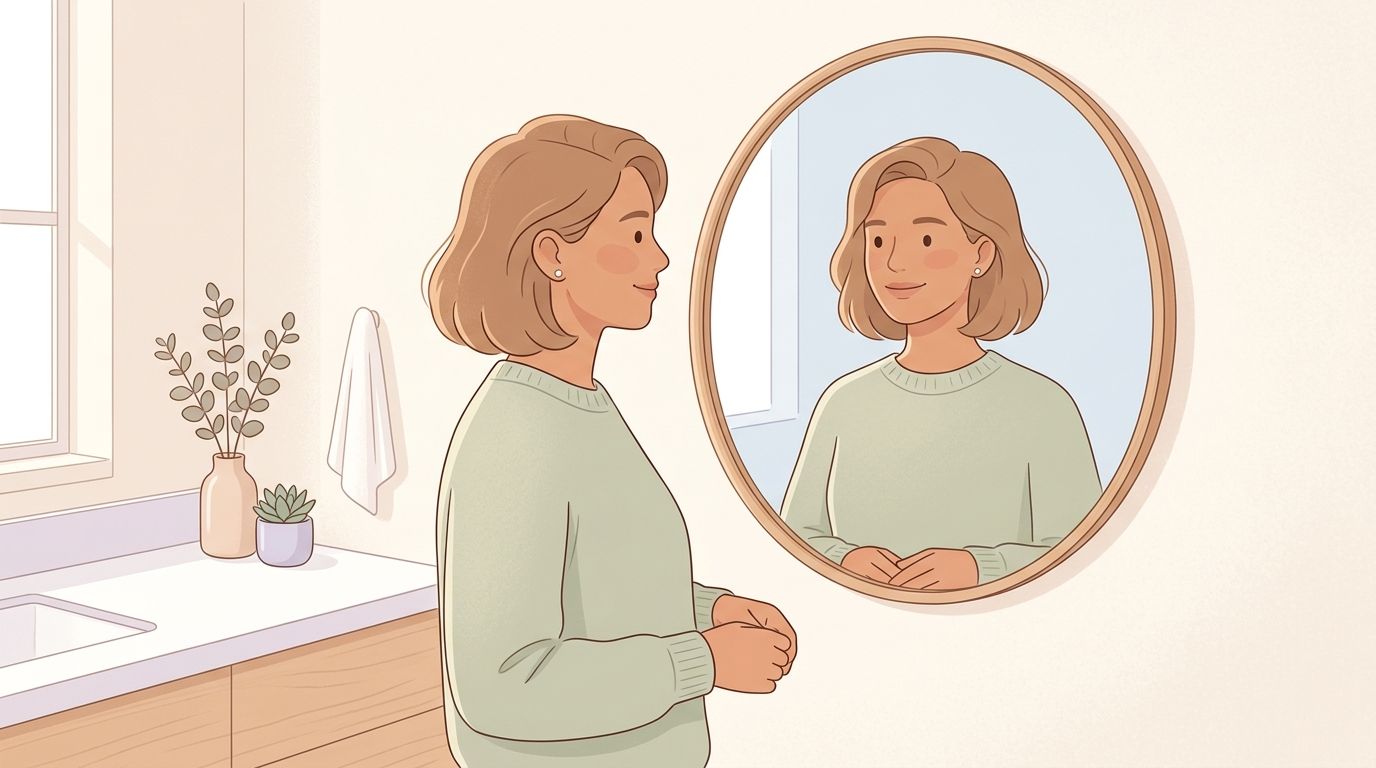
Self-Esteem Test (RSES)
A validated 10-question assessment based on the Rosenberg Self-Esteem Scale, measuring how satisfied you feel with yourself and how much self-respect you experience.
Who Is This Test For?
This self-esteem test is for anyone who wants to understand how they view themselves and whether self-criticism or feelings of inadequacy may be affecting their well-being.
- People who struggle with self-doubt, feeling 'not good enough,' or harsh self-judgment
- Those who find it difficult to feel proud of themselves or accept compliments
- Anyone who wants to understand the connection between self-esteem and anxiety or depression
- People exploring personal growth and wanting a baseline for self-acceptance work
Please read each statement and choose how much you agree or disagree.
On the whole, I am satisfied with myself.
At times I think I am no good at all.
I feel that I have a number of good qualities.
I am able to do things as well as most other people.
I feel I do not have much to be proud of.
I certainly feel useless at times.
I feel that I'm a person of worth, at least on an equal plane with others.
I wish I could have more respect for myself.
All in all, I am inclined to feel that I am a failure.
I take a positive attitude toward myself.
Turn self-test results into a clearer next step.
Save your results, watch changes over time, and find relevant tools when you need a next step.
- Save your history
- Track changes over time
- Find relevant tools
Save this result so your next score has context.
Good To Know

Notice Self-Critical Thoughts
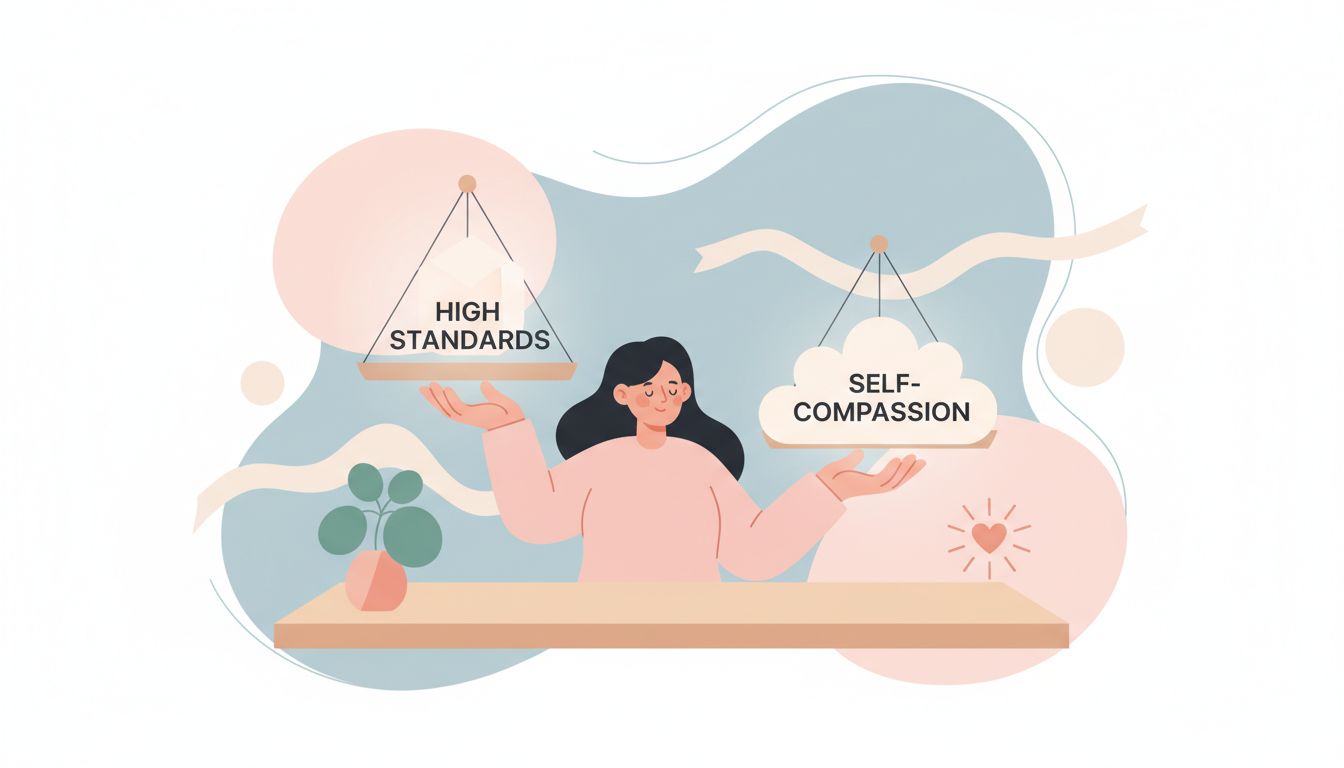
When you catch yourself thinking 'I'm not good enough,' pause and ask: 'Would I say this to a friend?' Self-criticism often becomes automatic. Simply noticing it creates space for a more balanced perspective.

Separate Behavior from Worth
A mistake or failure reflects something you did, not who you are. Try replacing 'I'm a failure' with 'That attempt didn't work out.' Your worth as a person is not determined by any single action or outcome.
Build a Self-Compassion Practice
When you feel inadequate, place your hand on your heart and say: 'This is a moment of suffering. Suffering is part of life. May I be kind to myself.' Small acts of self-kindness gradually rebuild self-esteem.
Understanding the RSES Self-Esteem Test
T he Rosenberg Self-Esteem Scale (RSES) was developed by Morris Rosenberg in 1965 to measure global self-esteem as a relatively stable personality characteristic. It is one of the most widely used measures of self-esteem in social science research, translated into many languages and applied across diverse populations.
The RSES includes 10 statements that assess positive and negative feelings about the self. Five items reflect positive self-regard (satisfaction with oneself, feeling worthy, having good qualities) and five reflect negative self-regard (feeling inadequate, useless, like a failure). This version presents scores as self-esteem concern, where higher scores indicate more difficulty with self-esteem.
This test uses a concern-based scoring approach where higher scores indicate lower self-esteem or more self-esteem difficulty. Positive self-esteem items are reverse-scored, meaning that disagreeing with positive statements contributes to higher concern scores. This presentation aligns with how other tests on this site frame results—as indicators of potential difficulty rather than positive trait levels.
Self-esteem is not the same as self-confidence or narcissism. Healthy self-esteem involves a realistic and appreciative opinion of oneself, recognizing both strengths and limitations without excessive self-criticism. Very low self-esteem can contribute to anxiety, depression, and difficulty asserting needs, while the goal is balanced self-acceptance rather than inflated self-importance.
Frequently Asked Questions
Is this test scoring different from the original RSES?
Yes. The original RSES produces a self-esteem score where higher means better self-esteem. This version inverts that to show self-esteem concern, where higher scores indicate more difficulty. Positive items (1,3,4,7,10) are reverse-scored so that disagreeing with them increases your concern score, while negative items (2,5,6,8,9) are scored directly.
Can this test diagnose low self-esteem as a clinical condition?
No. This is a self-assessment based on a validated research scale, not a diagnostic tool. While low self-esteem can appear alongside depression, anxiety, and other conditions, only a qualified mental health professional can make clinical assessments.
What is the difference between self-esteem and self-confidence?
Self-esteem refers to your overall evaluation of your worth as a person—how much you respect and accept yourself. Self-confidence is more specific to particular domains or skills. You might have high confidence in your work abilities but still struggle with underlying self-esteem, or vice versa.
How can I improve my self-esteem?
Start by noticing self-critical thoughts without automatically believing them. Practice self-compassion by speaking to yourself as you would a good friend. Set small achievable goals to build evidence of your capabilities. Consider therapy if self-esteem issues significantly impact your life—cognitive behavioral approaches are particularly effective.
How often should I retake this test?
Self-esteem is a relatively stable trait that changes gradually. Retaking the test every few months can be useful if you are actively working on self-acceptance, in therapy, or tracking how your self-view changes during different life periods.
More Tests
This self-assessment is for education and self-reflection. It is not a diagnosis and cannot replace a professional evaluation. Low self-esteem can overlap with depression, anxiety, and other mental health concerns. If your results reflect significant distress or impairment, consider speaking with a qualified mental health professional.