
Generalized Anxiety Disorder Test (GAD-7)
A validated 7-question screening tool used by healthcare professionals to assess the severity of generalized anxiety disorder symptoms over the past two weeks.
Who Is This Test For?
The GAD-7 is designed for adults who want to better understand their anxiety levels. It's commonly used as an initial screening in clinical settings, but it's also valuable for personal insight and tracking changes over time.
- Adults experiencing persistent worry, nervousness, or feeling on edge
- Those curious about their current anxiety levels compared to clinical thresholds
- People looking to track changes in anxiety symptoms over time
- Anyone preparing to discuss anxiety concerns with a healthcare provider
Over the past 2 weeks, how often have you been bothered by the following problems?
Feeling nervous, anxious, or on edge
Not being able to stop or control worrying
Worrying too much about different things
Trouble relaxing
Being so restless that it's hard to sit still
Becoming easily annoyed or irritable
Feeling afraid as if something awful might happen
Good To Know

The Mind-Body Connection
Anxiety isn't just 'in your head'-it shows up throughout your body as muscle tension, racing heart, stomach upset, and fatigue. That's why body-based techniques like breathing exercises, progressive muscle relaxation, and physical activity are so effective. When you calm the body, the mind follows.

Small Steps, Big Changes
Managing anxiety doesn't require dramatic life overhauls. Research shows that consistent small practices-5 minutes of daily breathing, regular sleep schedules, limiting caffeine, brief walks-can meaningfully reduce symptoms over time. Start with one technique and build from there.
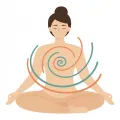
Anxiety Responds to Practice
Unlike some conditions, anxiety management is a skill you can build. The techniques that feel awkward at first become more effective with repetition. Your nervous system literally learns to calm down faster. Progress isn't always linear, but the benefits compound over time.
Understanding the GAD-7
T he GAD-7 (Generalized Anxiety Disorder 7-item scale) was developed in 2006 by Drs. Robert L. Spitzer, Kurt Kroenke, Janet B.W. Williams, and Bernd Löwe. It has become one of the most widely used screening tools for anxiety in both clinical practice and research settings worldwide.
Each question asks about symptoms you've experienced over the past two weeks, with responses ranging from 'not at all' (0 points) to 'nearly every day' (3 points). Your total score ranges from 0 to 21, with established thresholds indicating minimal (0-4), mild (5-9), moderate (10-14), and severe (15-21) anxiety levels.
The GAD-7 has excellent reliability and validity, correctly identifying generalized anxiety disorder in approximately 89% of cases in validation studies. However, it's important to understand that this is a screening tool, not a diagnostic instrument. Only a qualified healthcare provider can diagnose anxiety disorders after a comprehensive evaluation.
Beyond GAD, the GAD-7 also shows sensitivity for detecting panic disorder, social anxiety disorder, and post-traumatic stress disorder, making it a valuable general anxiety screening measure.
Frequently Asked Questions
How accurate is the GAD-7?
The GAD-7 has excellent reliability and validity. Research shows it correctly identifies generalized anxiety disorder in about 89% of cases. A score of 10 or higher has 89% sensitivity and 82% specificity for detecting GAD. However, it's a screening tool, not a diagnostic test-a mental health professional should confirm any diagnosis.
How often should I take this test?
If you're monitoring your anxiety levels, taking the test every 2-4 weeks can help you track changes over time. The questions specifically ask about the past two weeks, so more frequent testing isn't necessary or meaningful. If you're in treatment, your provider may recommend a specific monitoring schedule.
Can my score change over time?
Yes, anxiety levels naturally fluctuate based on life circumstances, stress, sleep quality, physical health, and many other factors. This is normal. Treatment, therapy, lifestyle changes, and self-help techniques can significantly improve your score over time. Many people see meaningful improvement within weeks of starting treatment.
What's the difference between normal worry and generalized anxiety disorder?
Everyone experiences worry sometimes-it's a normal human response to uncertainty. Generalized Anxiety Disorder (GAD) involves excessive, persistent worry that's difficult to control and occurs more days than not for at least six months. Unlike normal worry, GAD significantly impairs daily functioning, causes physical symptoms, and feels disproportionate to the actual likelihood of the feared outcomes.
Should I share my results with my doctor?
Yes, sharing your GAD-7 results with a healthcare provider can be very helpful. Many clinicians use this exact screening tool and will immediately understand your score. It provides a useful starting point for discussion and helps track your progress if you begin treatment. You can screenshot or write down your score to bring to appointments.
More Tests



This self-assessment is a screening tool, not a diagnostic instrument. It cannot replace a professional evaluation by a qualified mental health provider. If you're experiencing significant distress or your symptoms are affecting your daily life, please seek help from a healthcare professional. If you're in crisis, contact emergency services or a crisis helpline.